01 · SOUNDGLR OPEN
Sound Check
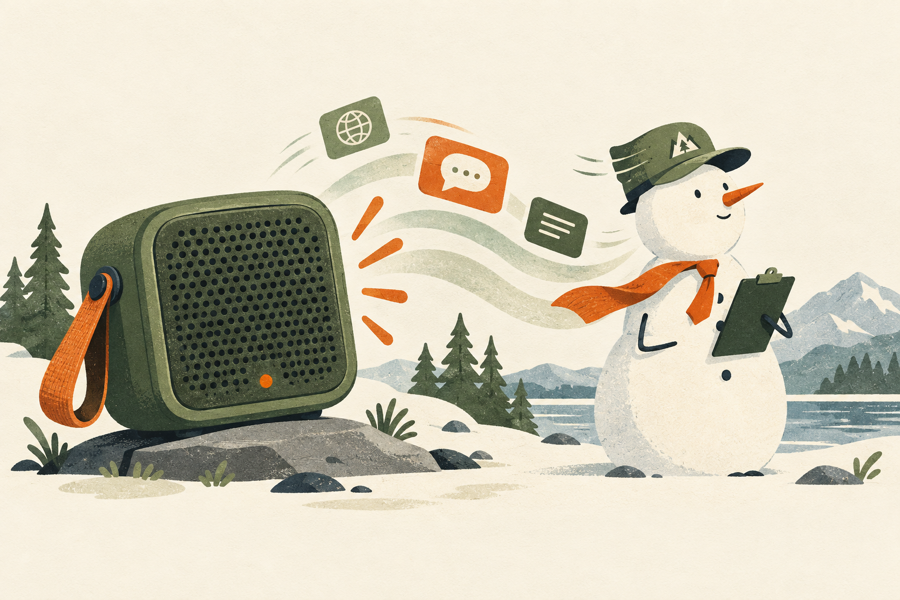
Wake up your ears.
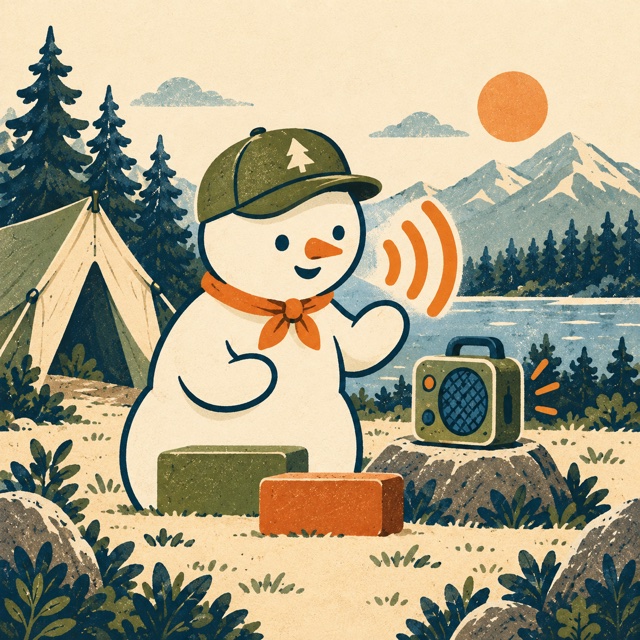
Get your voice moving.
From short expressions to longer stories, tune in to Korean and get your voice moving.
 SnowballingKOREAN · LEARNING SPACES← KOREAN HOME
Start small. Build strong foundations in Korean. Turn what you hear and read into words you can use in real conversations.
Listen and repeat, speak from memory, then make the story yours. Three kinds of practice, one connected journey.
Wake up your ears.
Get your voice moving.
From short expressions to longer stories, tune in to Korean and get your voice moving.
One story. Two ways to train.
Build it through sound. Make it yours through speaking.
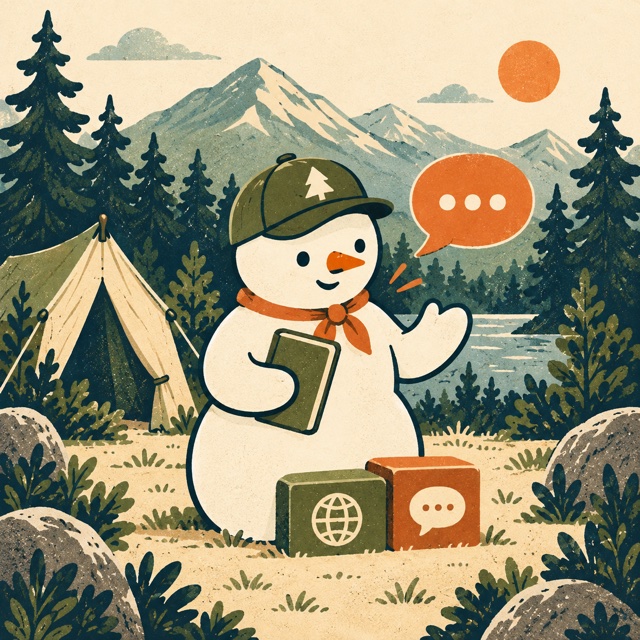
Read it. Close it.
Tell it in your own words.
Explore the A1–C2 Korean Readable structure. Original Korean reading lessons are in preparation.
 VIEW LEVELS
CEFR(Common European Framework of Reference for Languages) describes language ability across six levels, from A1 to C2. It is about what you can understand and do in real situations—not just vocabulary counts or test scores.